Engine AI
AI Coding Platform
Year
2024-2025
Website
Client / Freelance
My Role
Lead Product Designer
Product
Objective
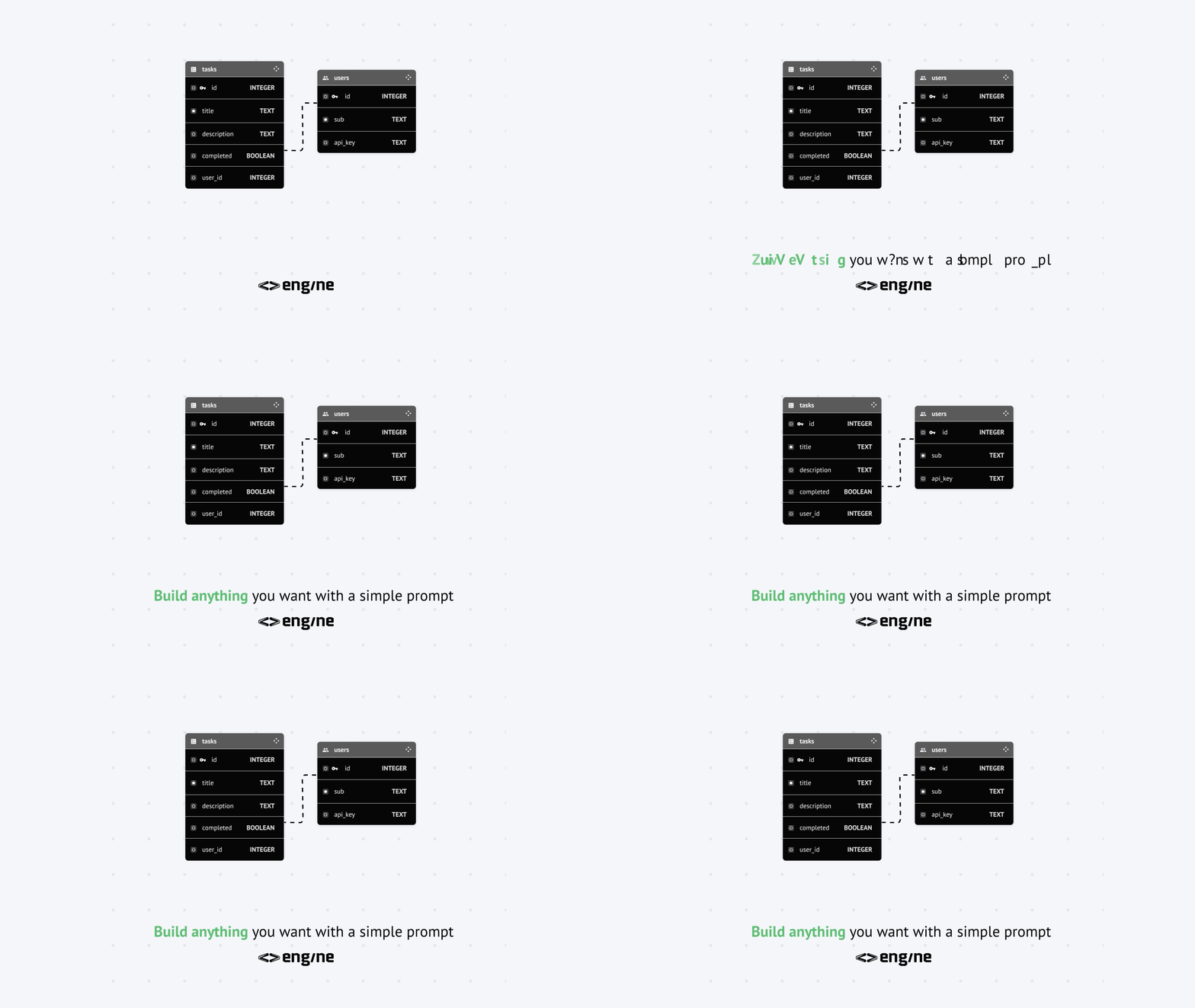
Engine AI is an AI platform built for experienced engineers who want architect-level control, not generic copilots.
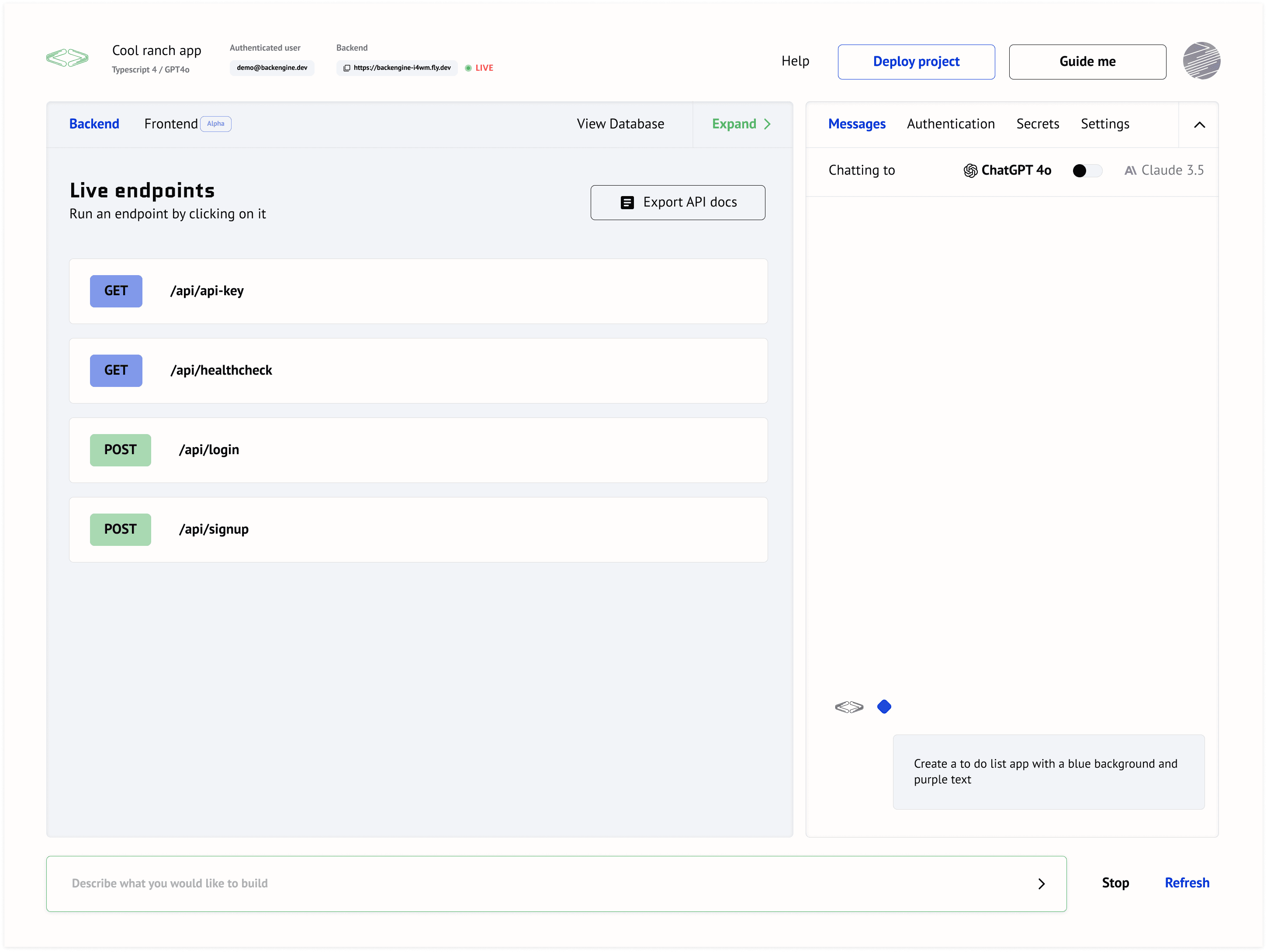
As the first design hire, my role was to define the product UX, interaction model, and design system in a category with no established patterns, while shipping quickly enough to validate product–market fit.
Core tensions
Power users wanted raw control, not abstraction
New users needed guidance without dumbing things down
LLM tooling was powerful but mentally expensive to operate
Mobile traffic was high, but the product was desktop-only
Process
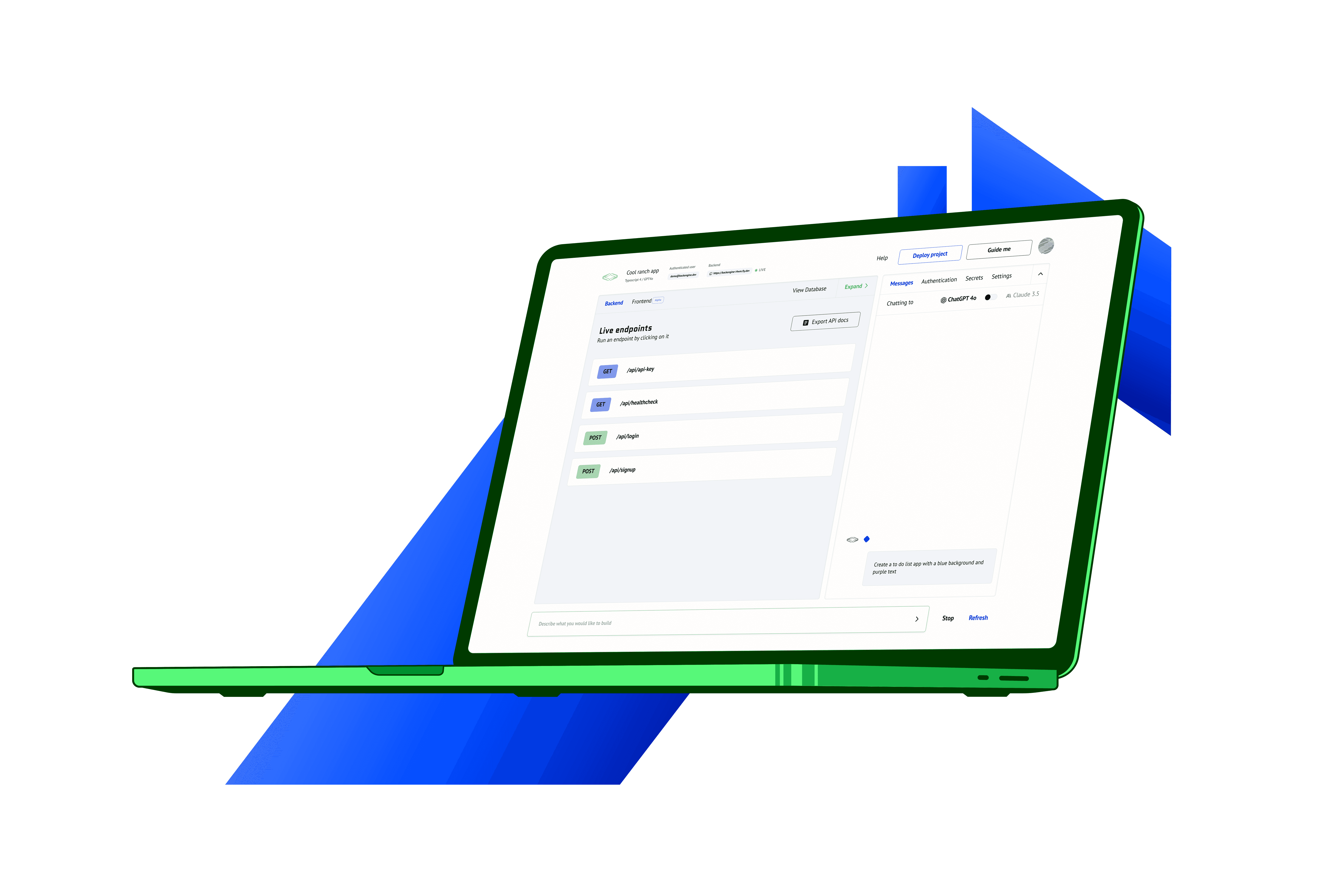
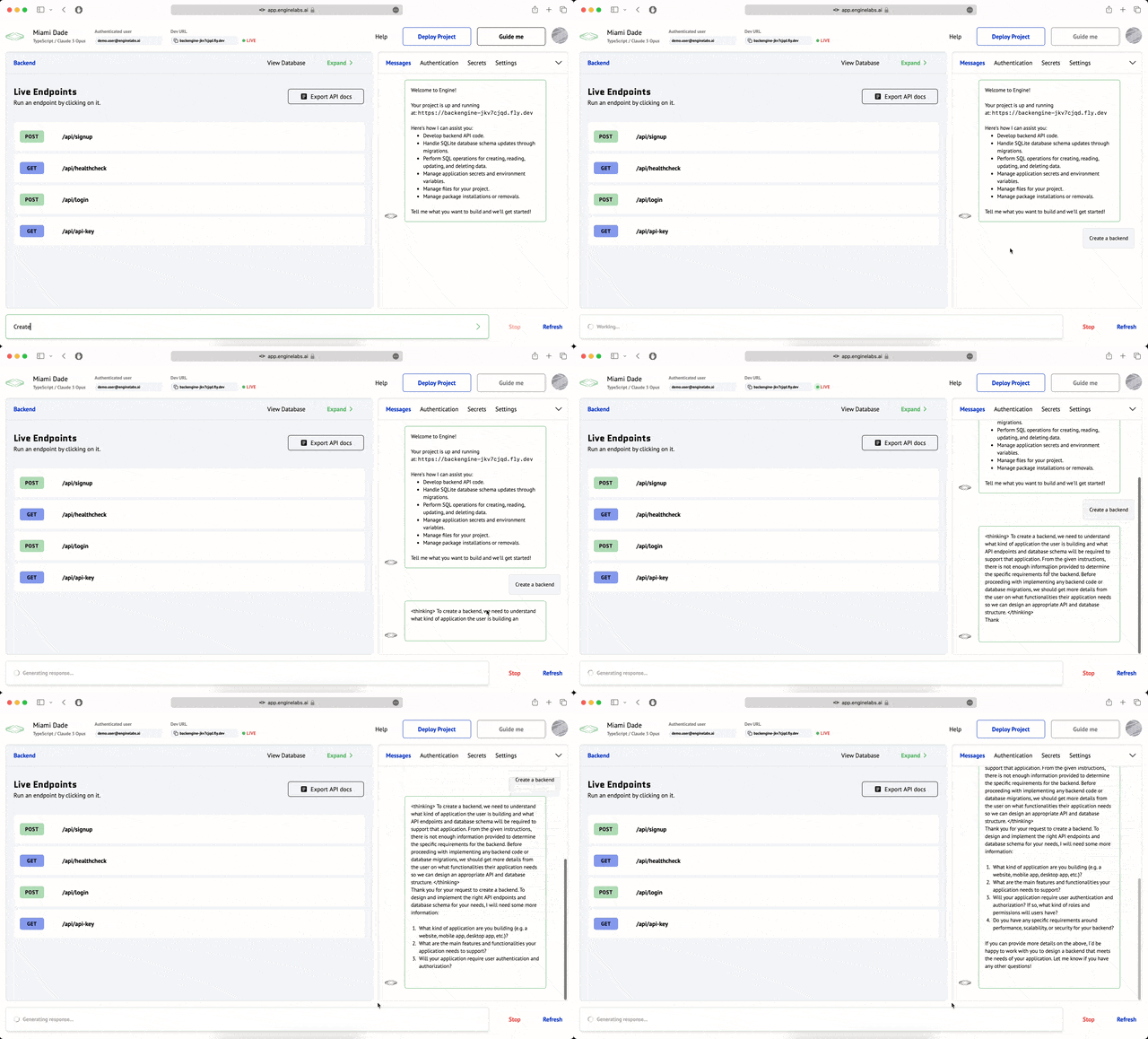
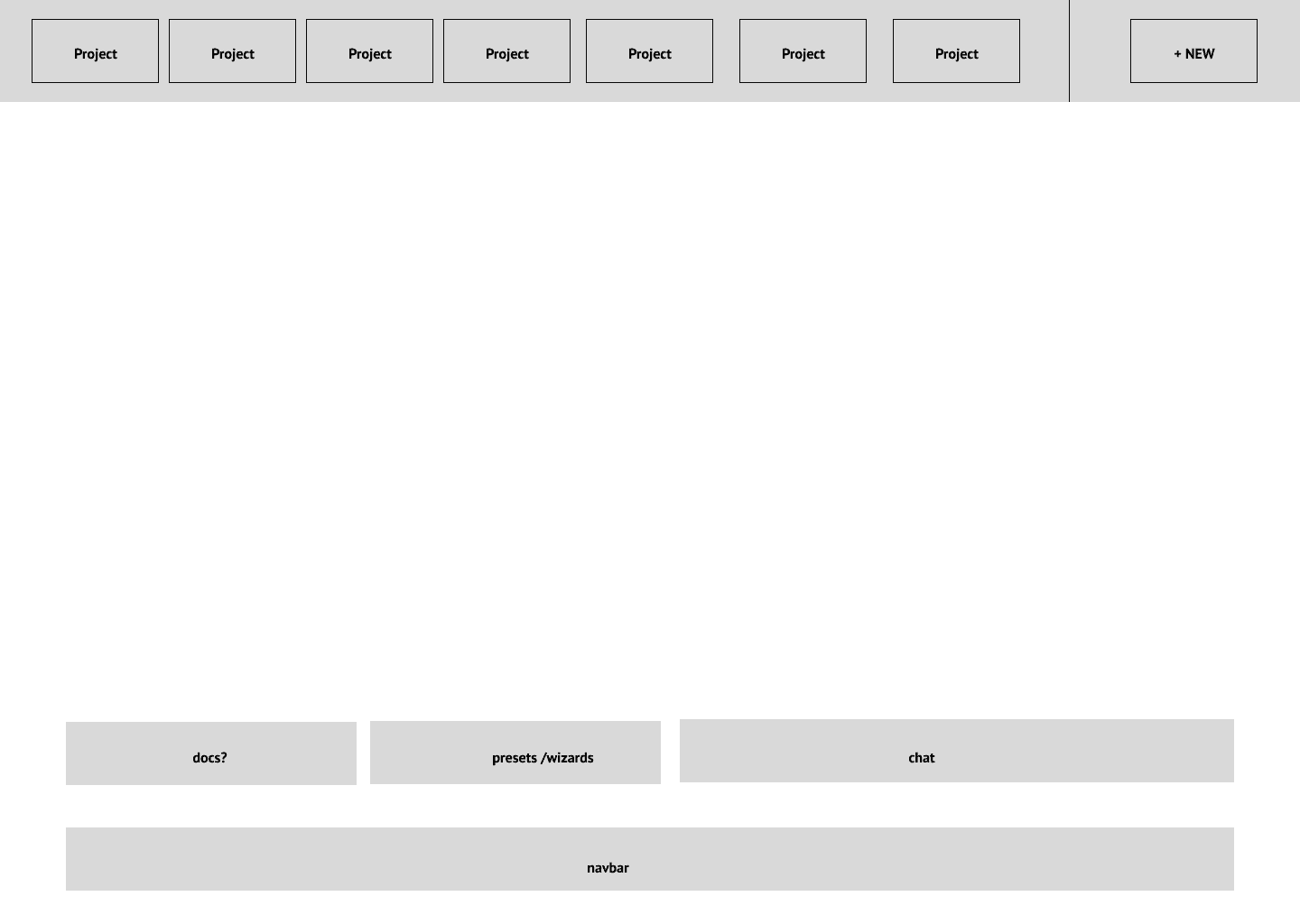
Phase 1: De-risking the UX through rapid MVP iteration
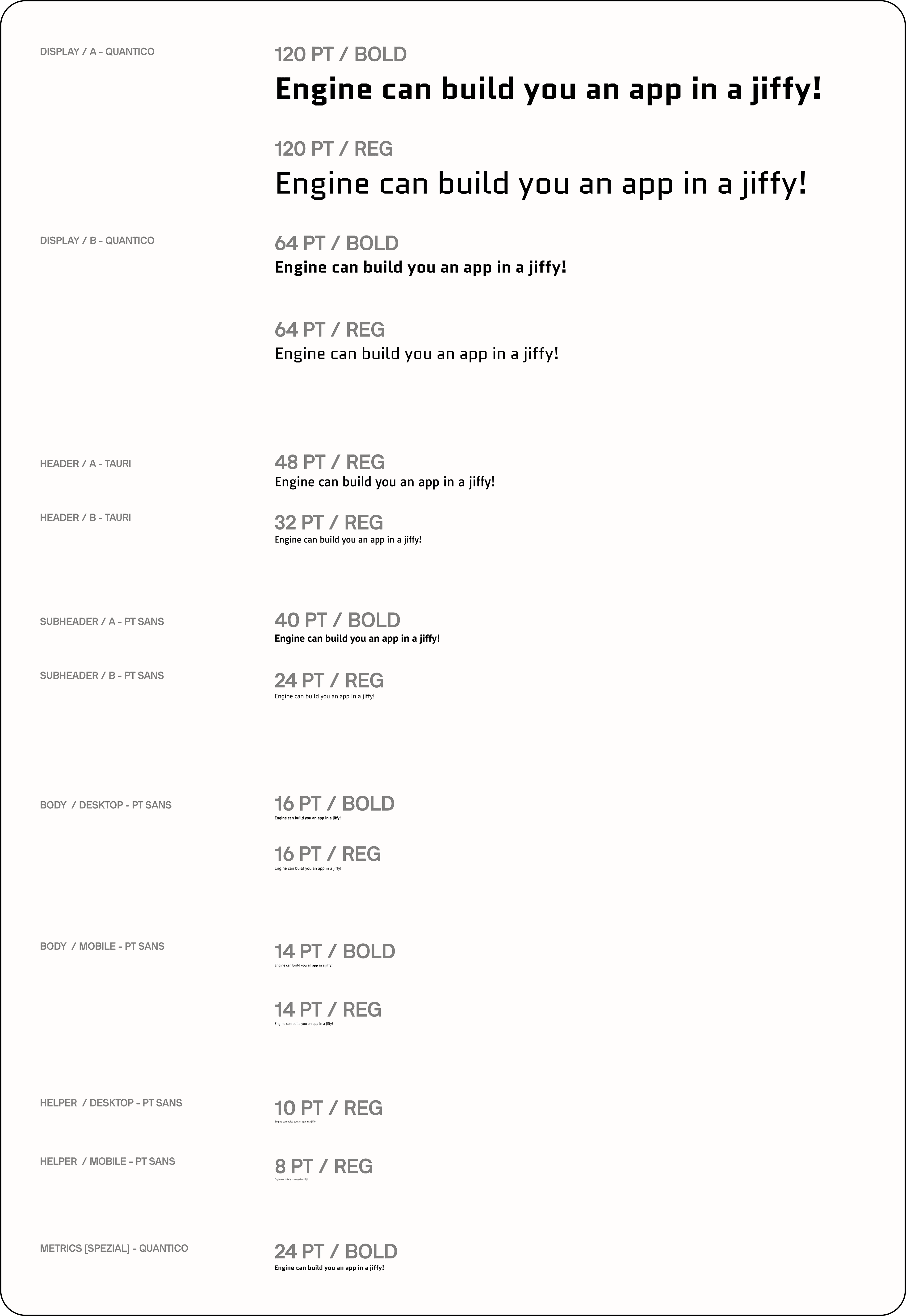
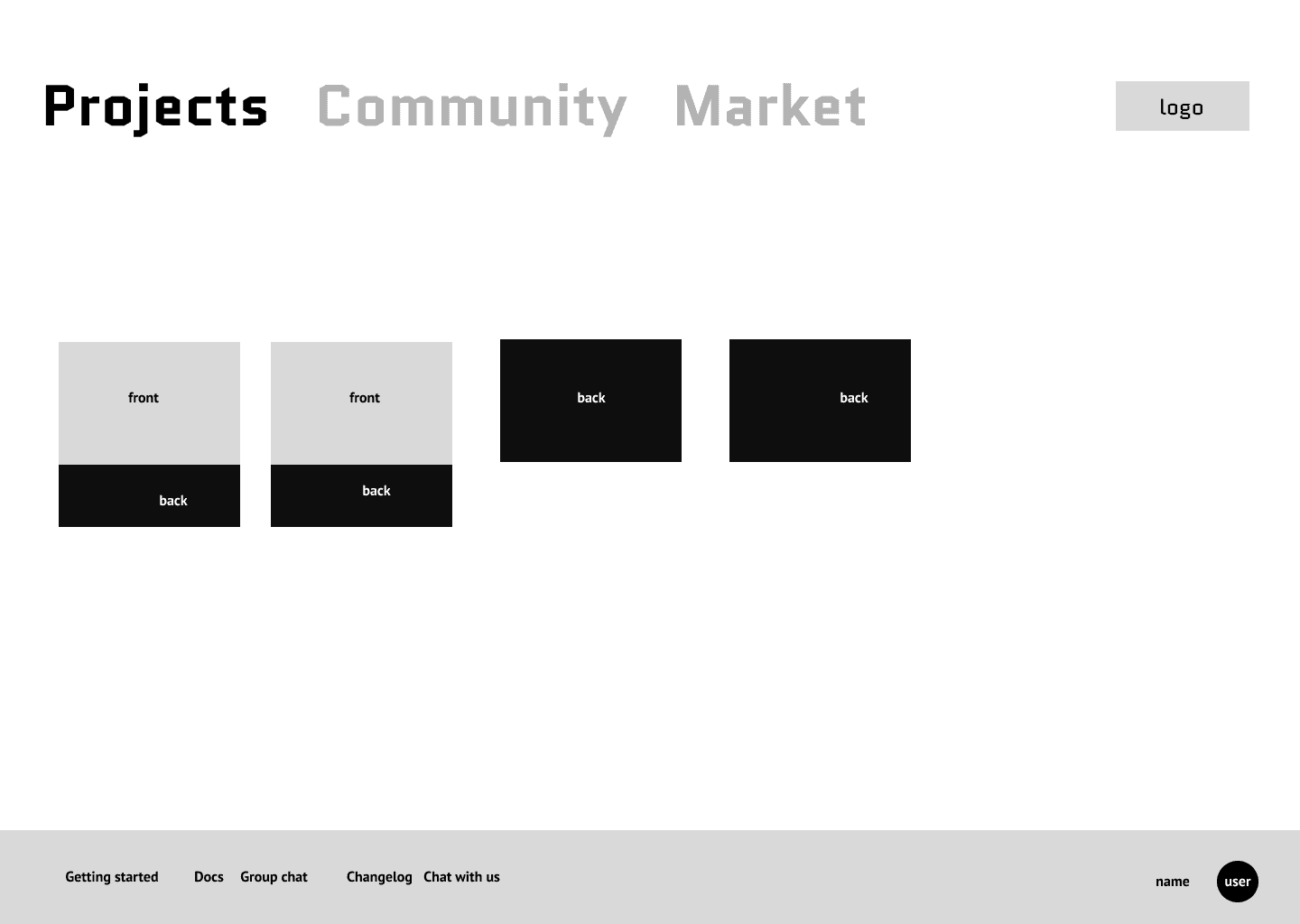
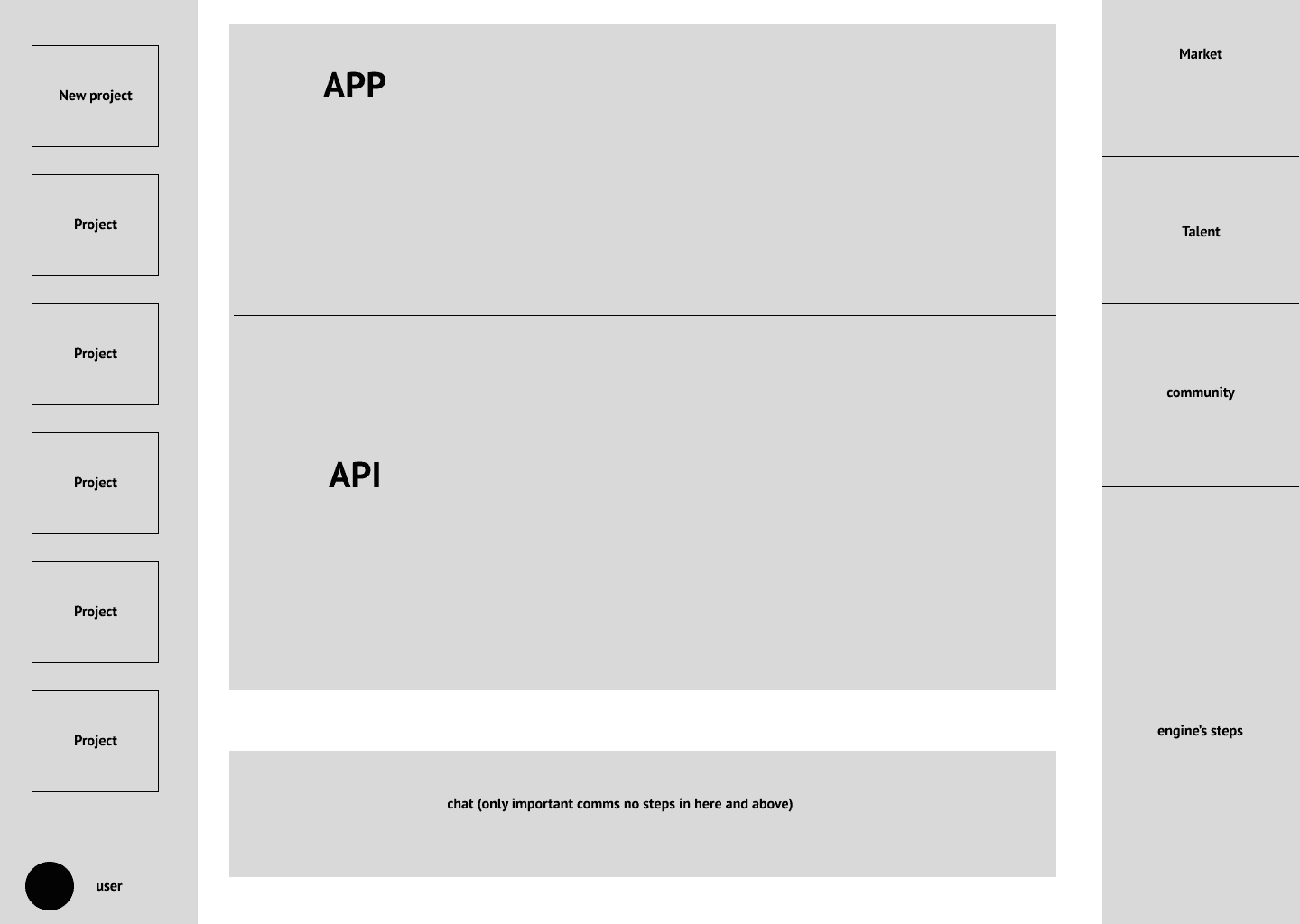
Phase 2: Establishing a scalable design system and interaction model
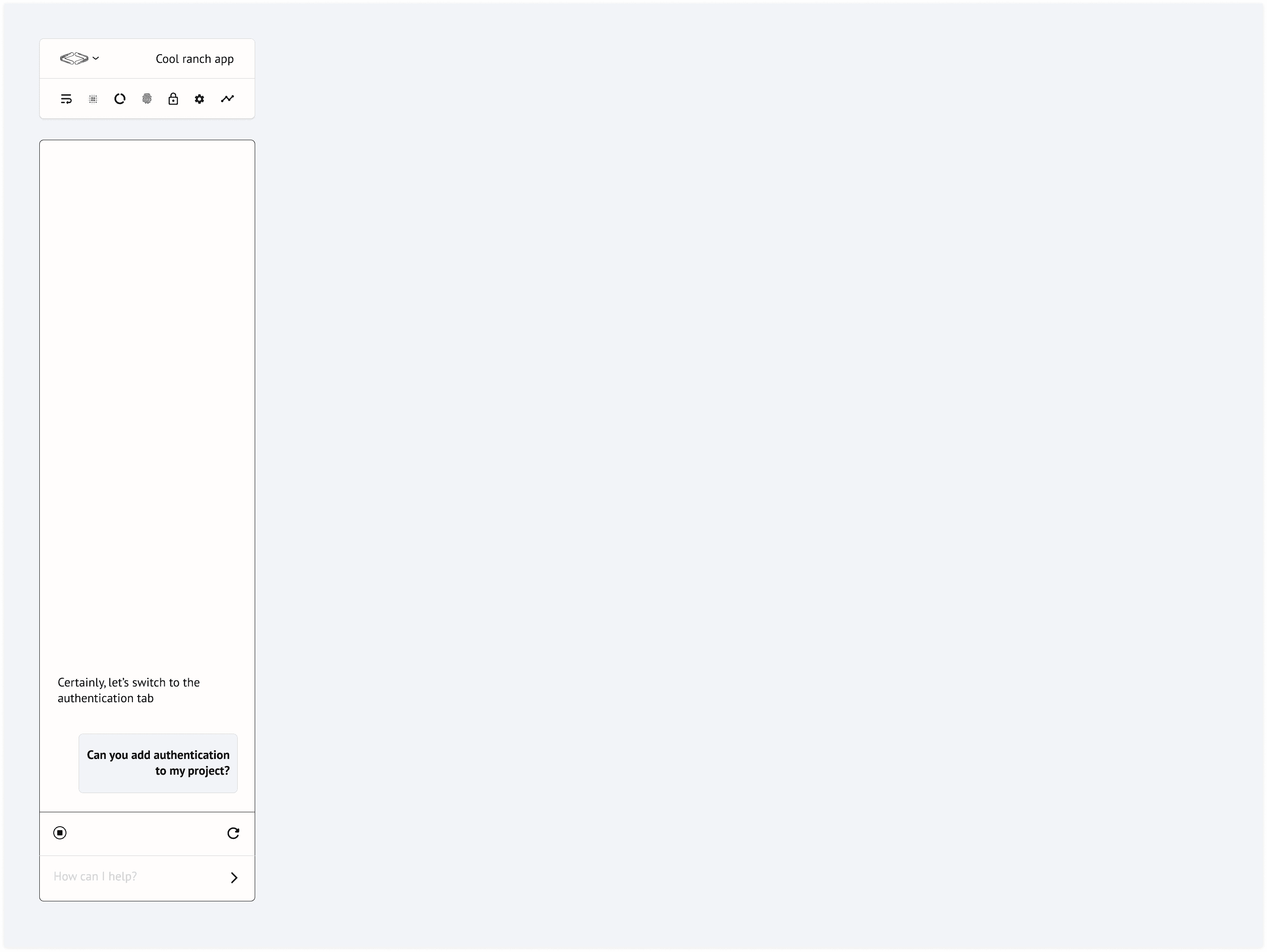
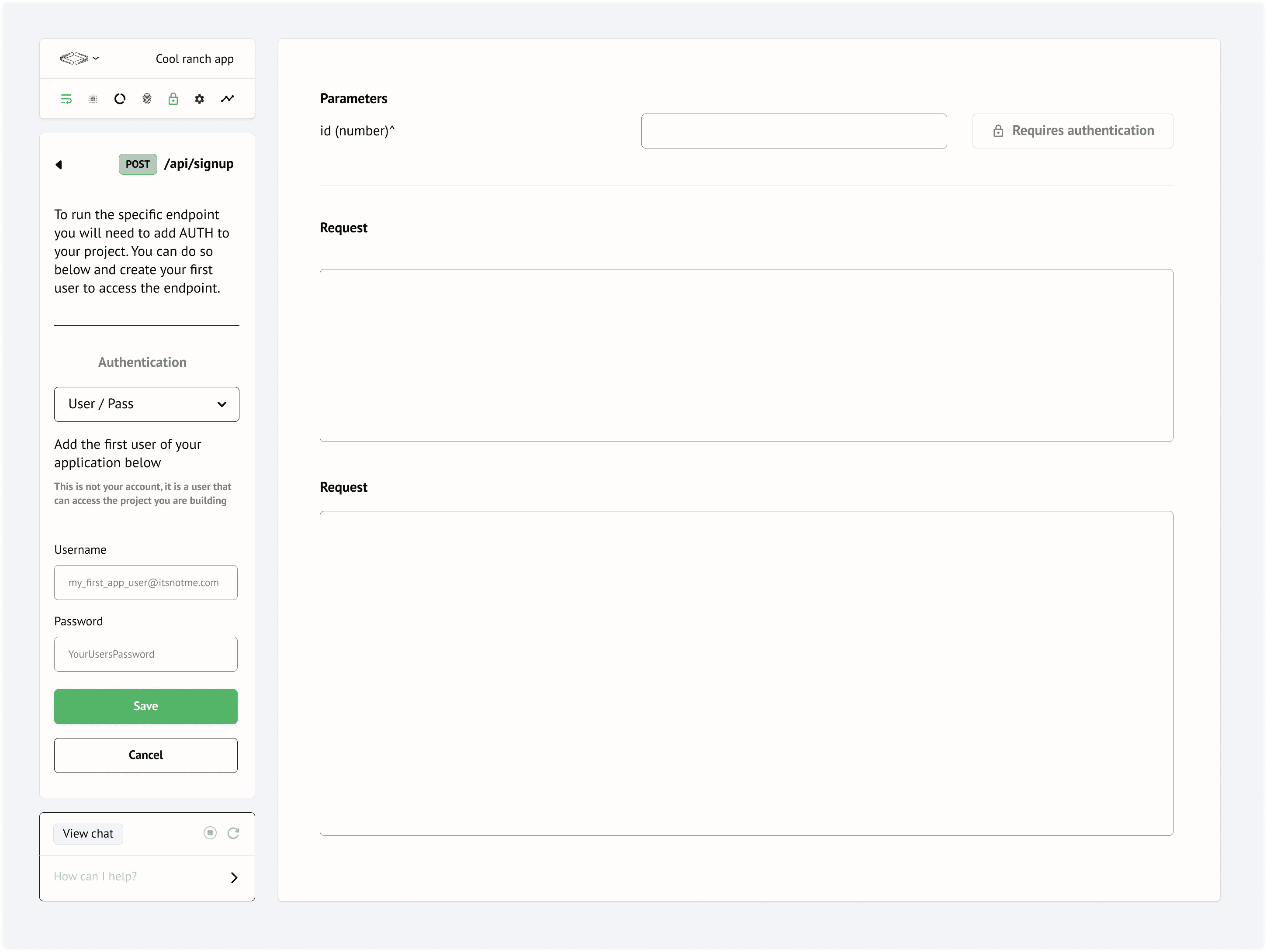
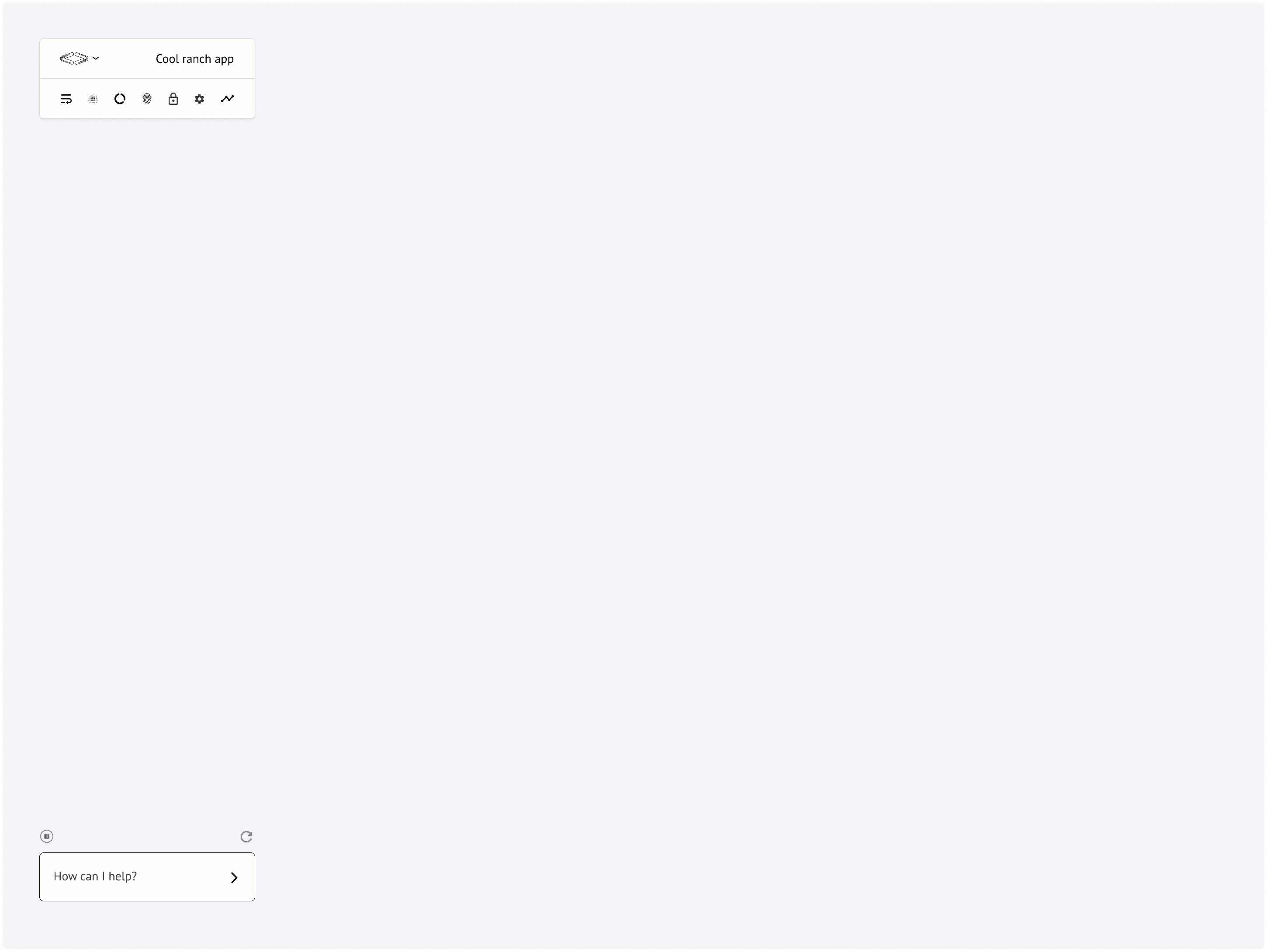
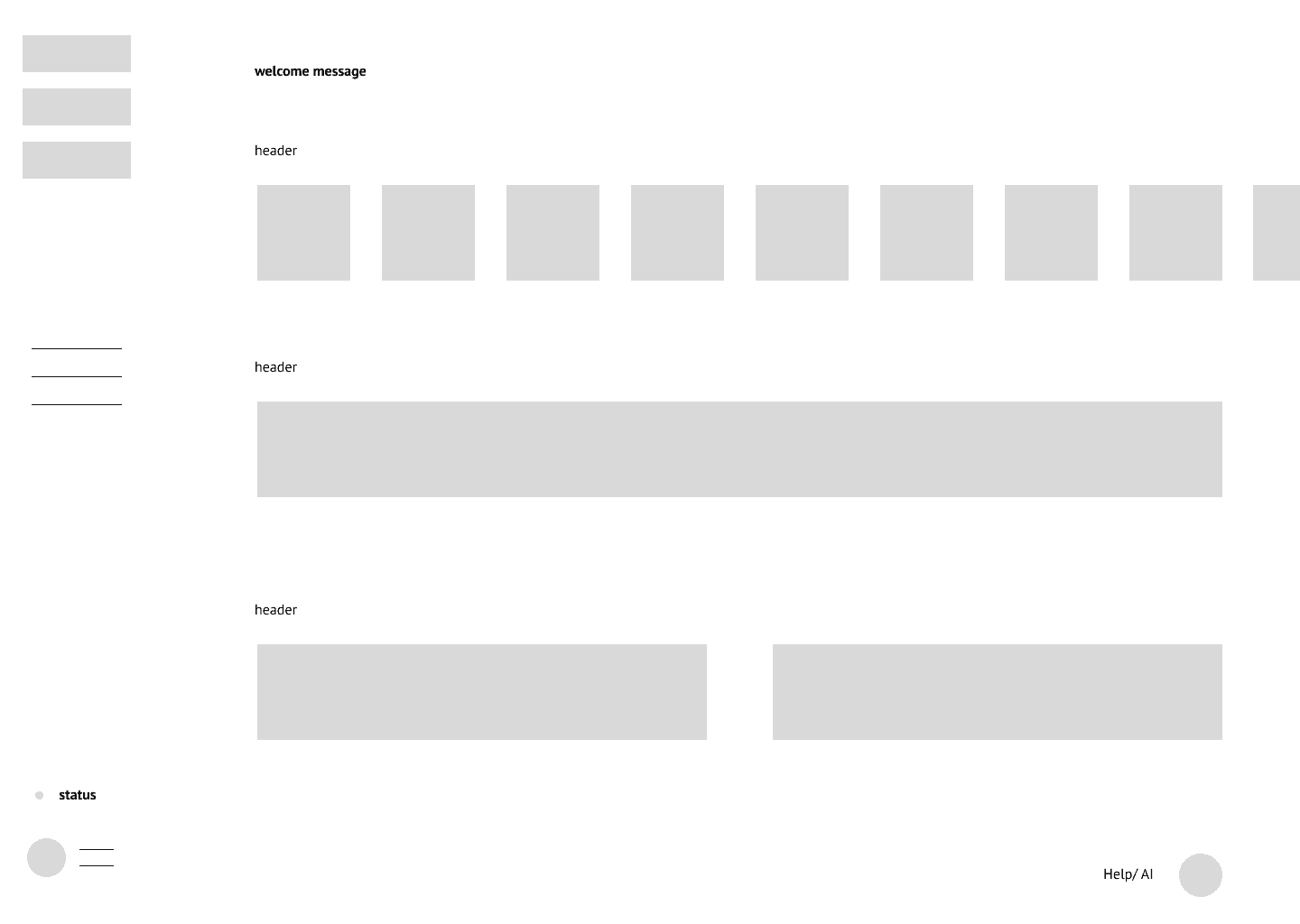
Phase 3: Evolving the product from MVP to the Bento architecture


Outcome
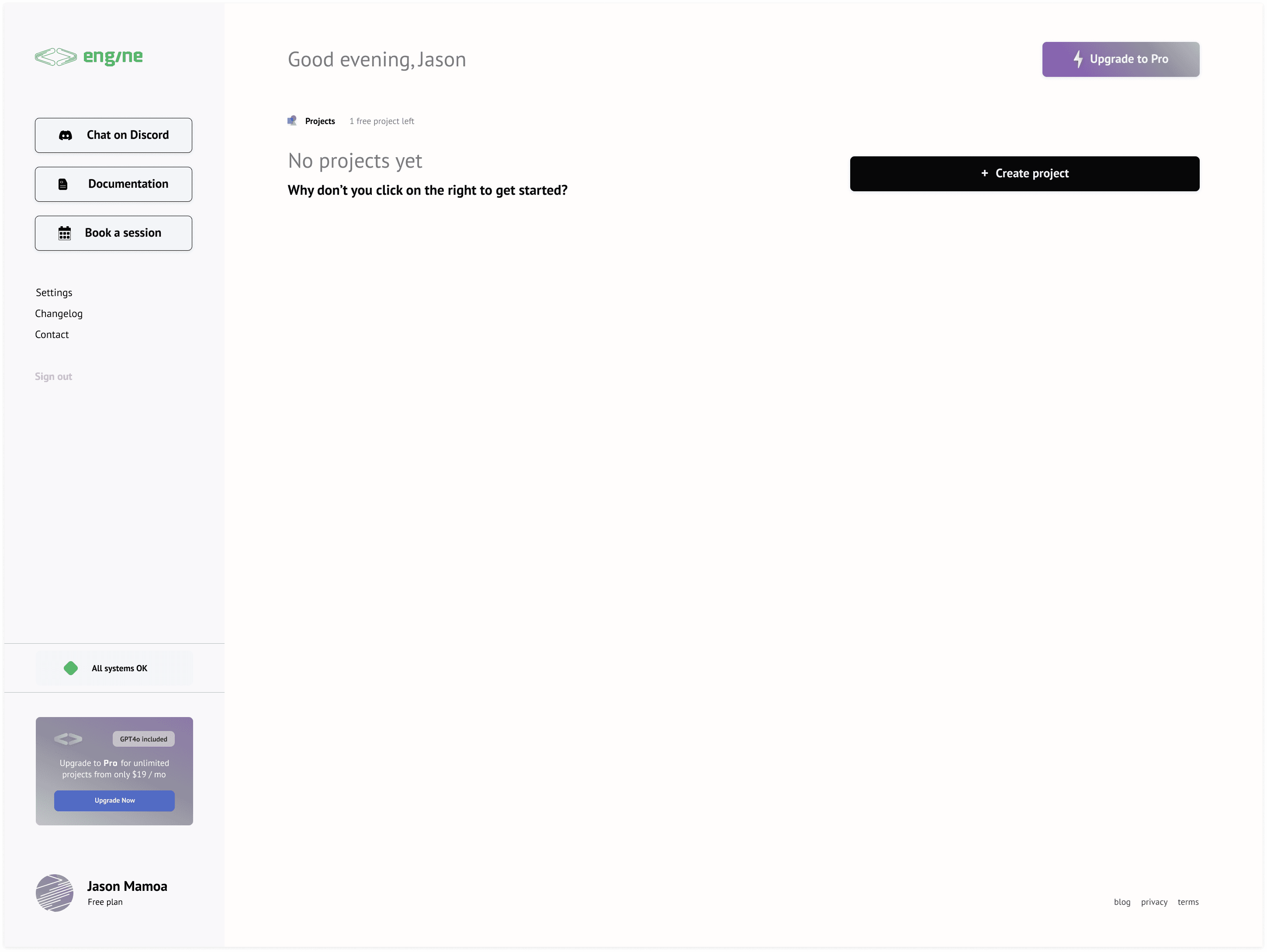
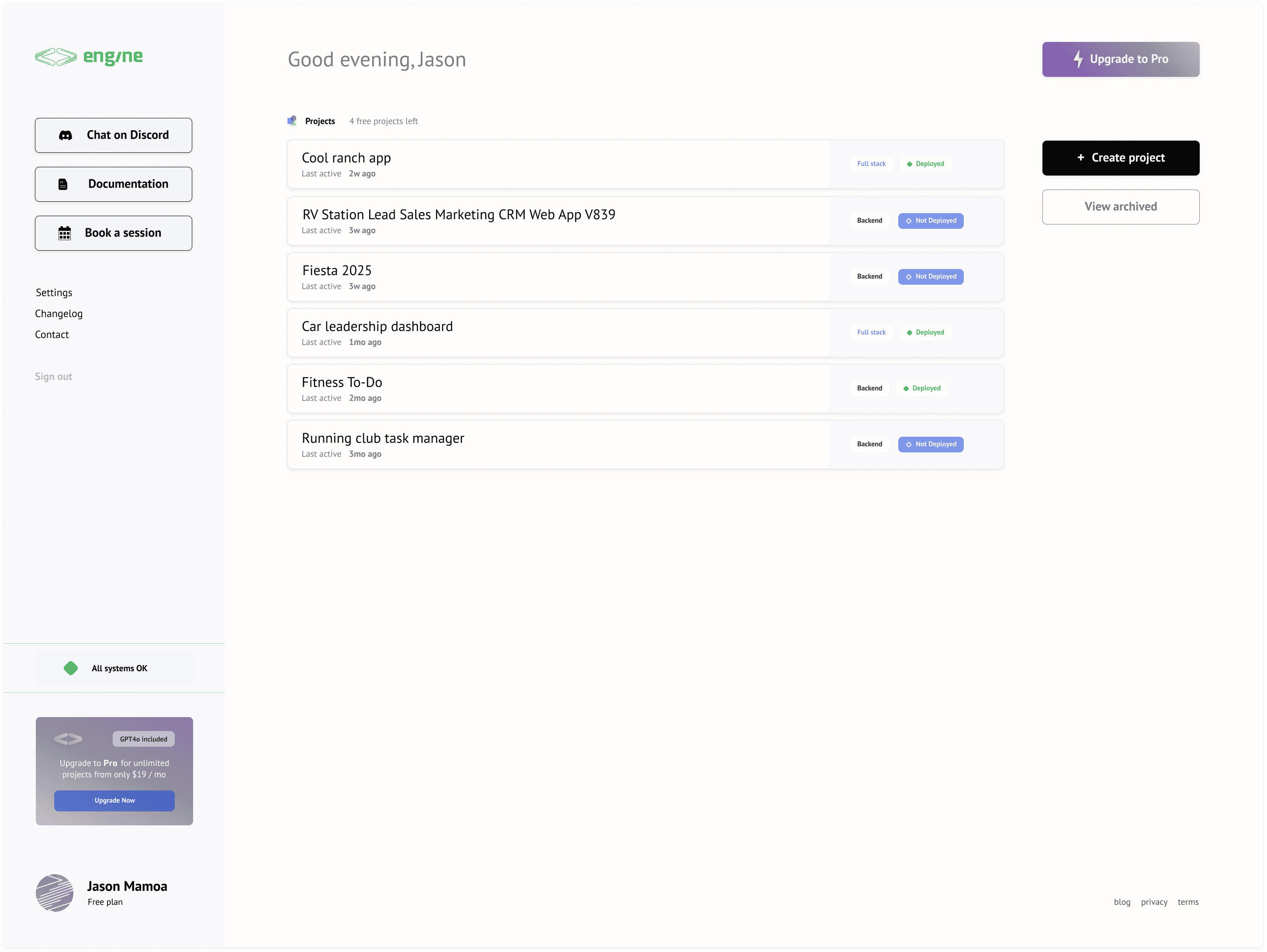
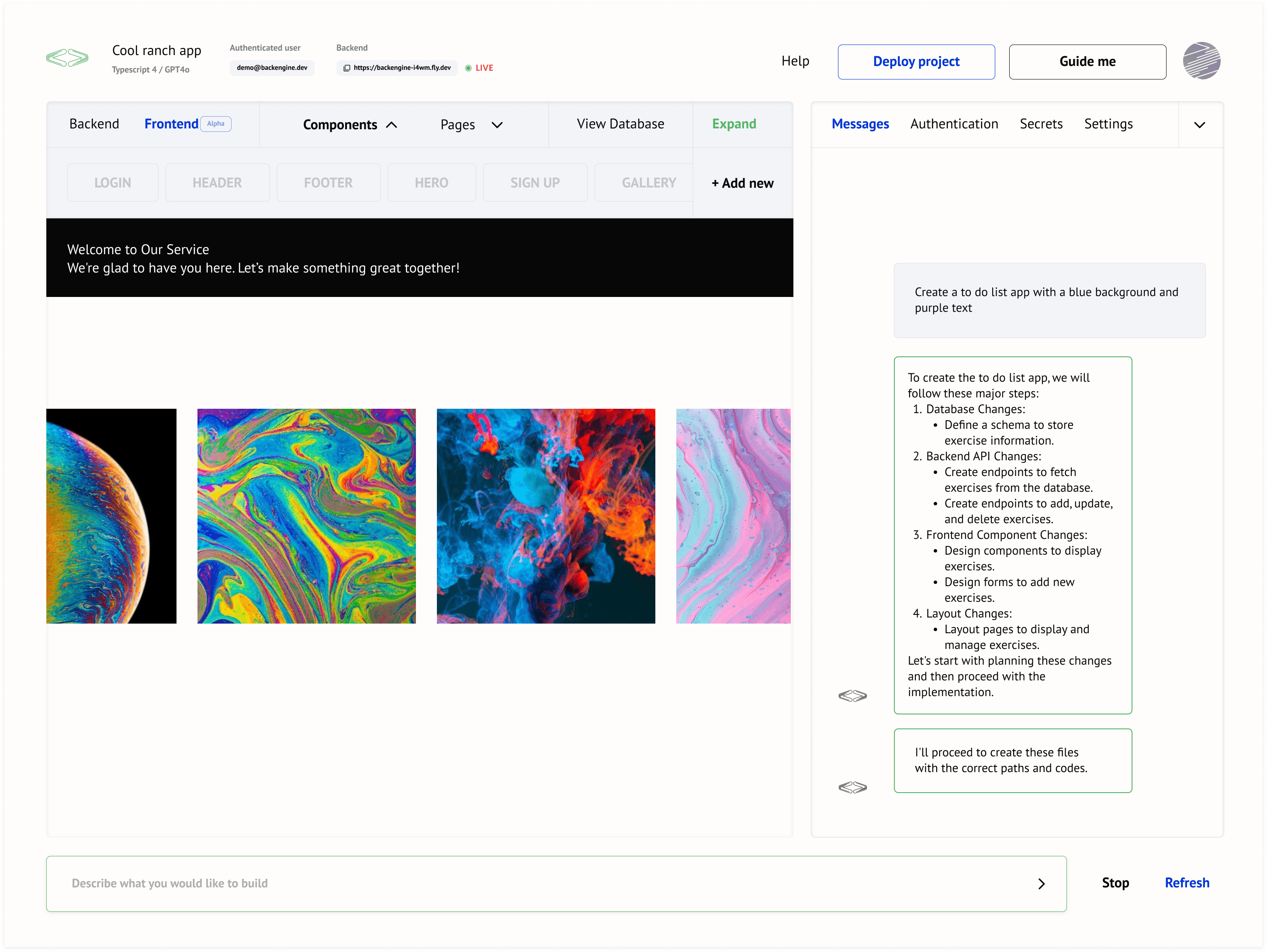
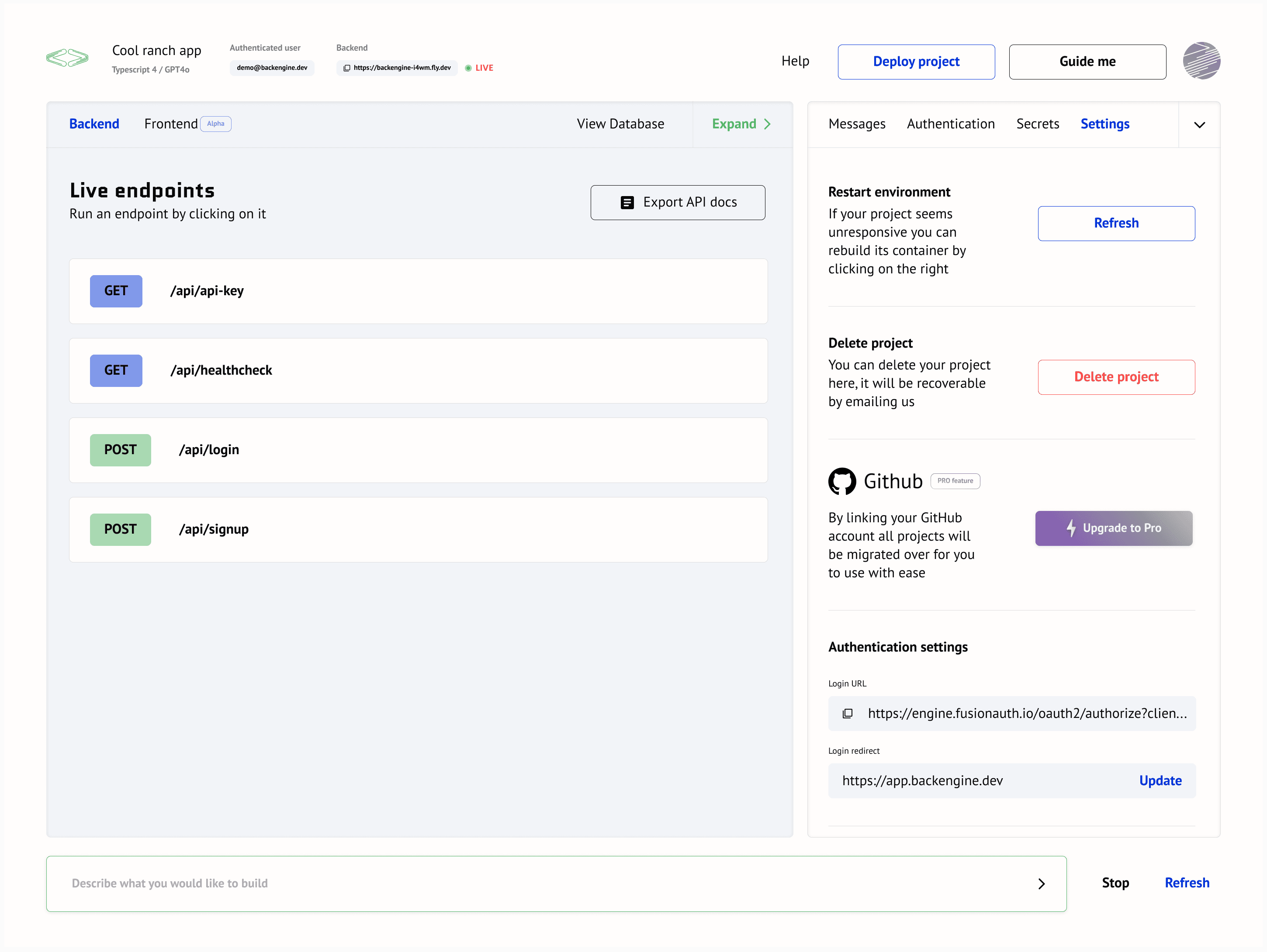
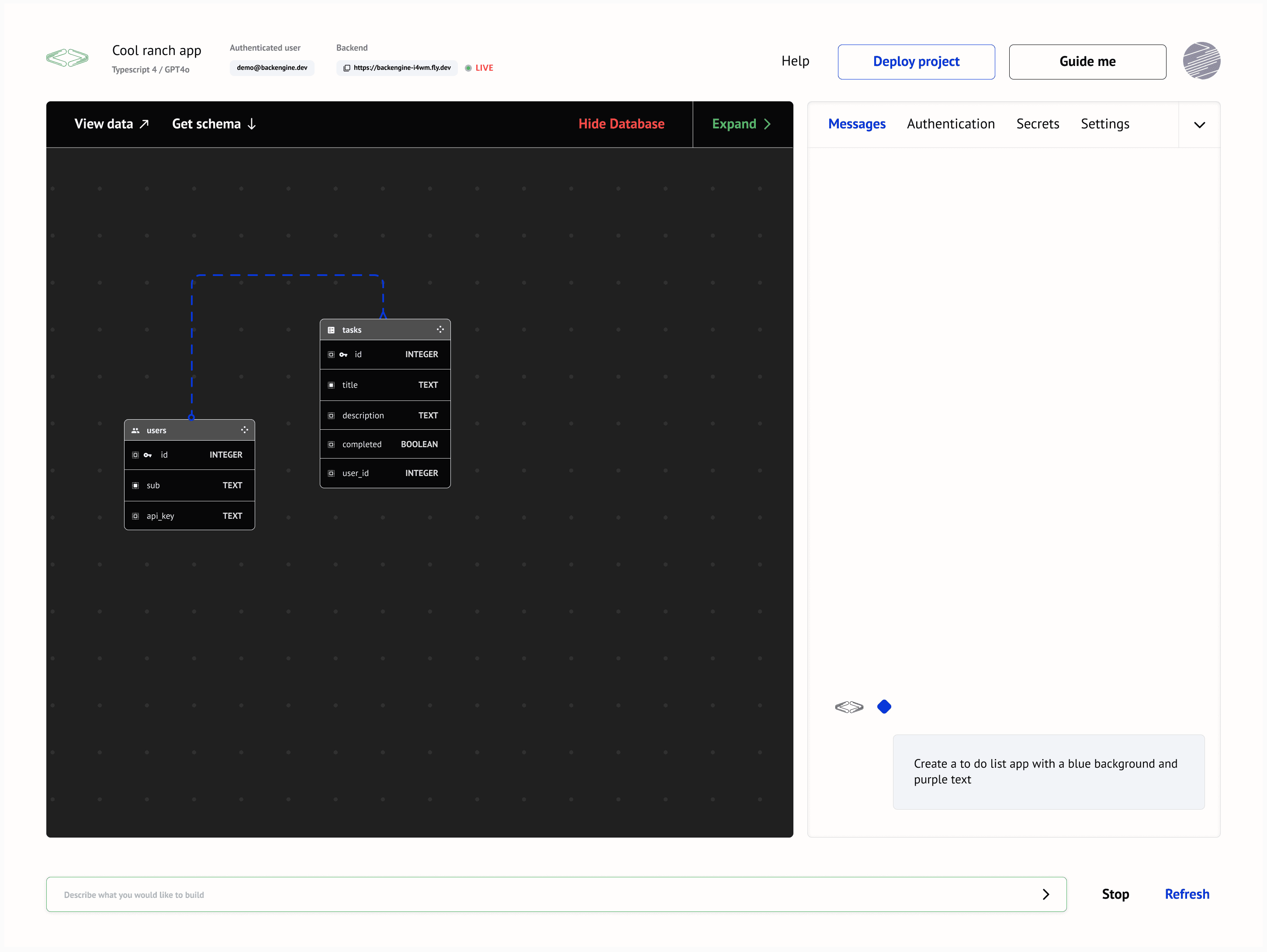
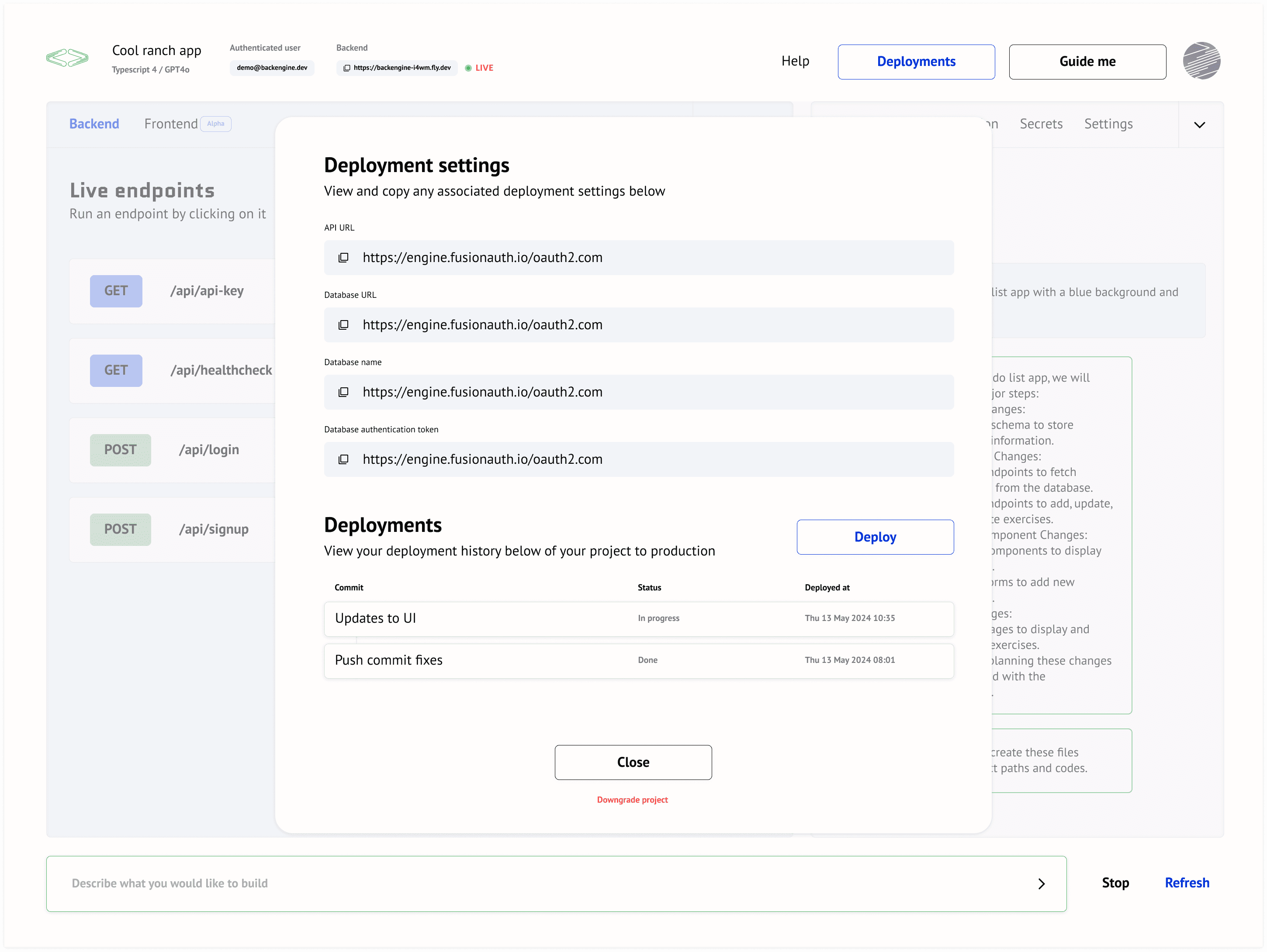
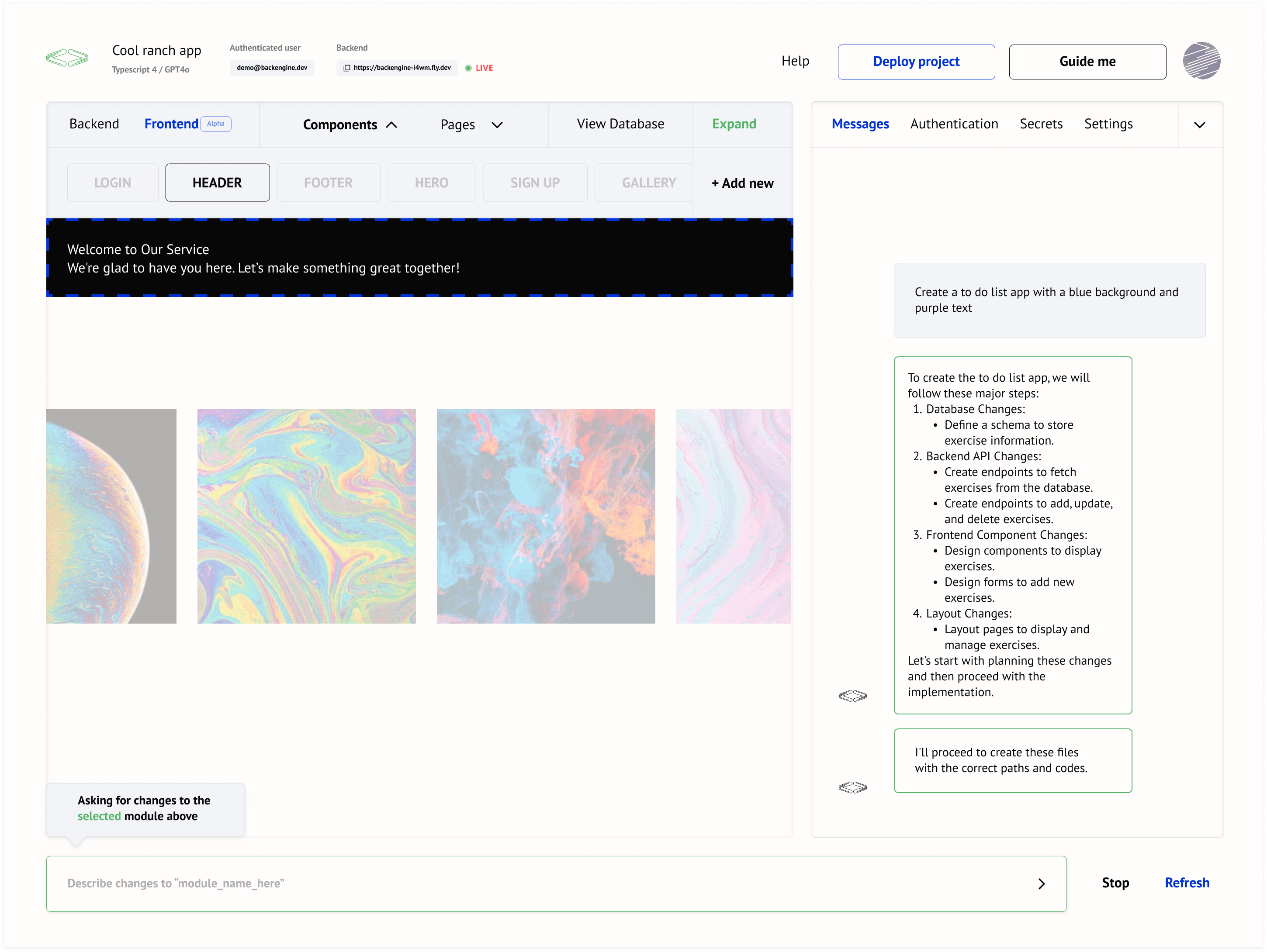
The redesigned MVP reduced core UX friction and enabled faster iteration across product and engineering.
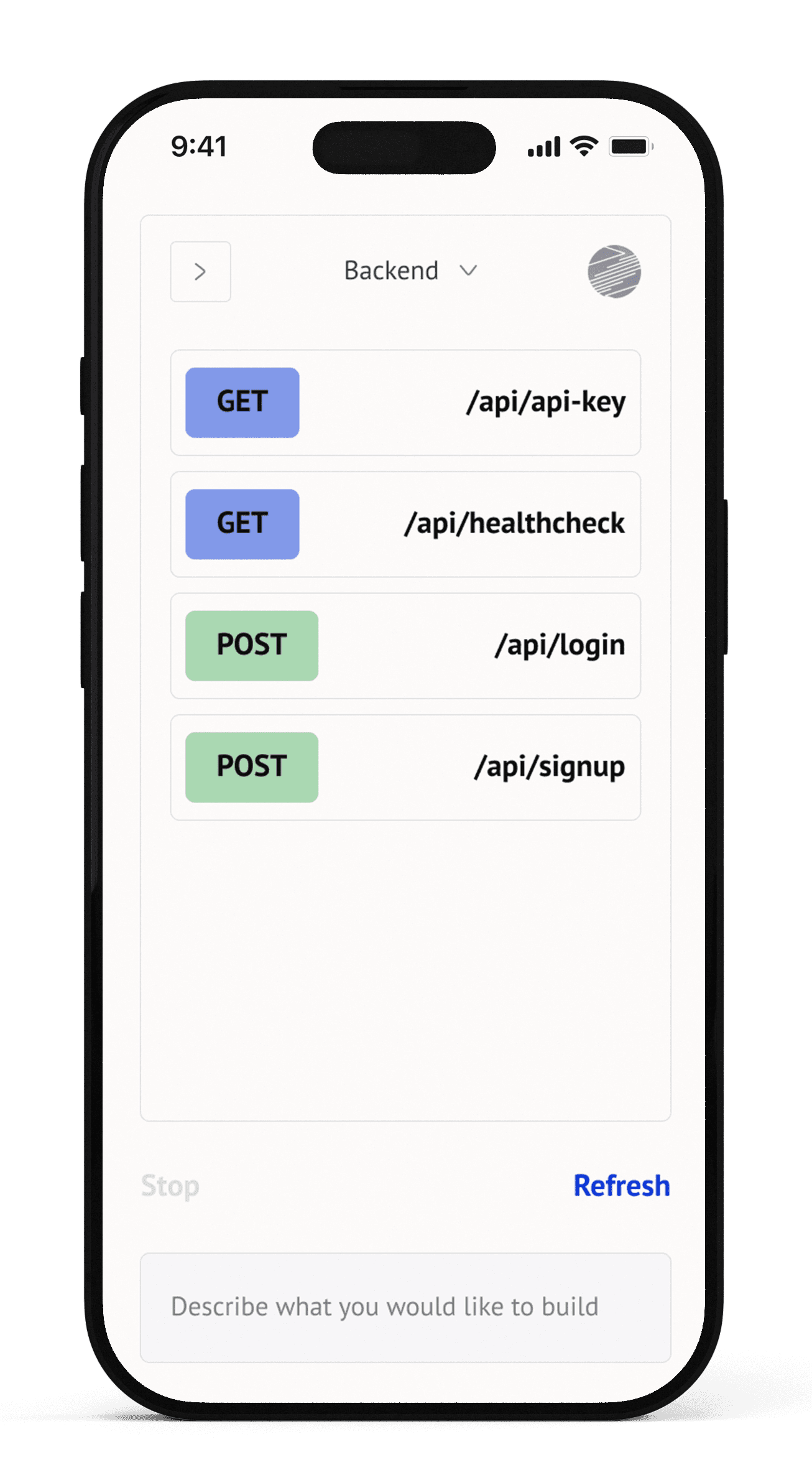
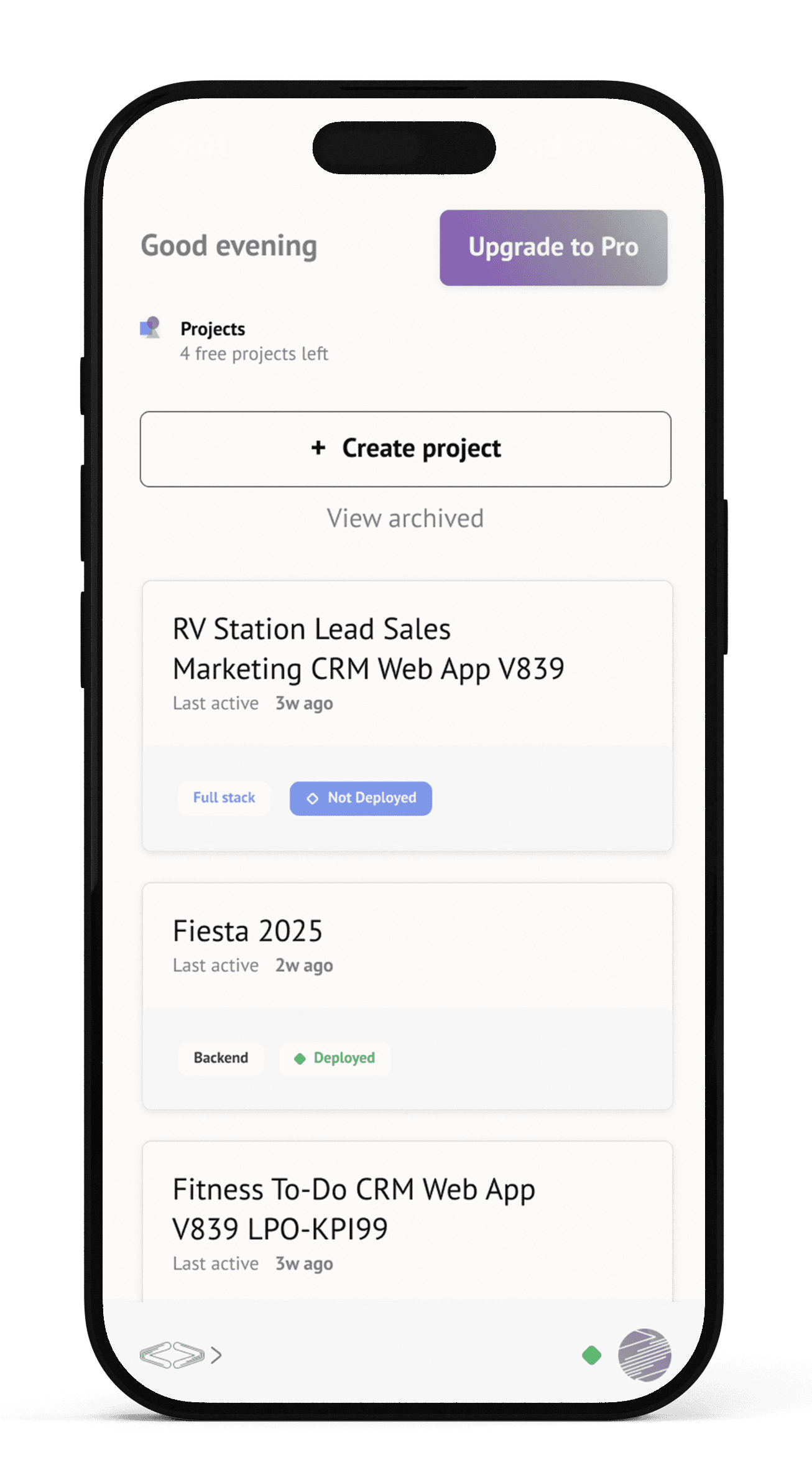
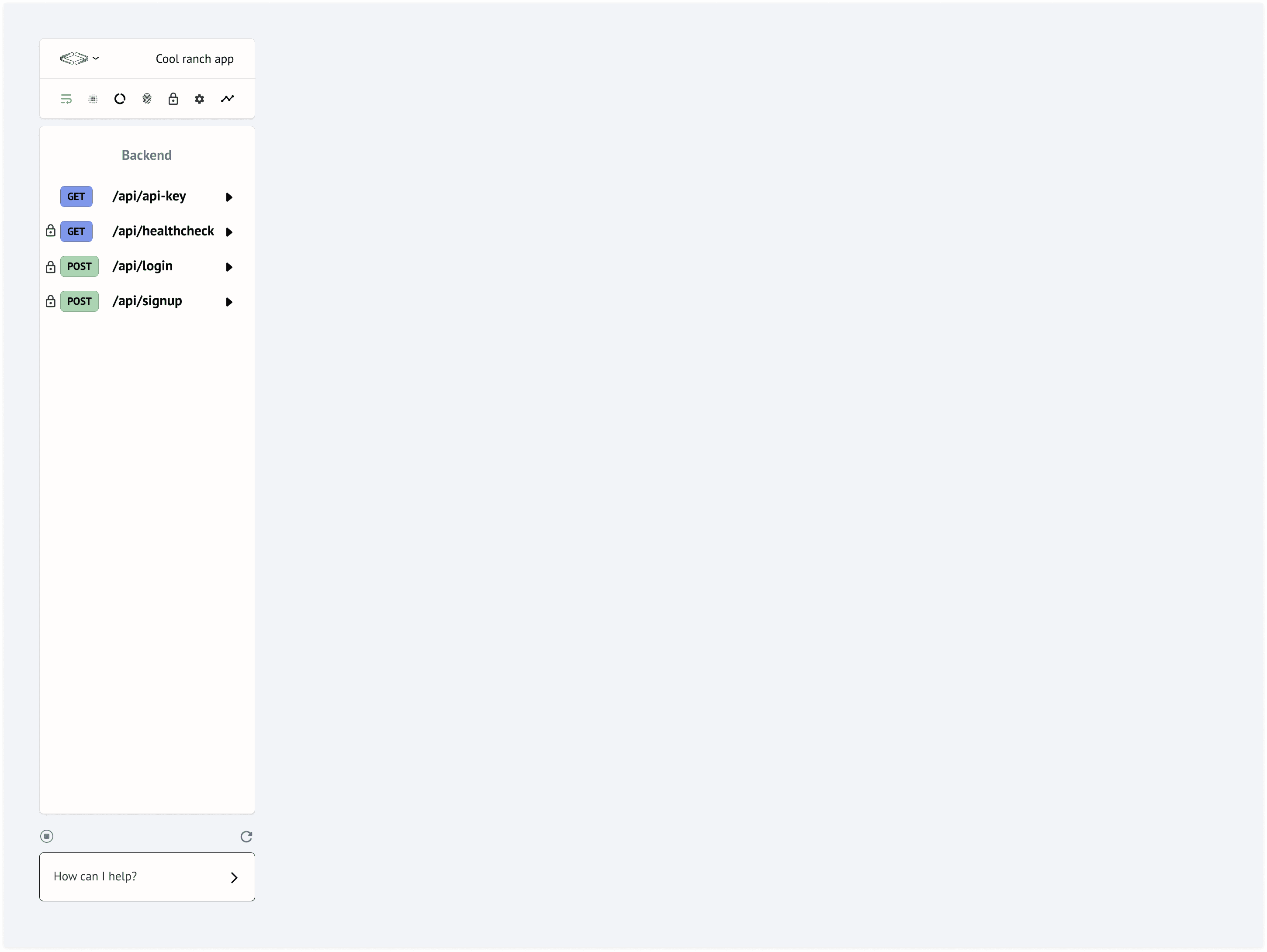
Mobile designs were introduced for the first time, addressing a significant portion of the user base and improving early-funnel engagement. Qualitative feedback from the community (Discord) indicated improved clarity, confidence, and perceived control when working with the platform.
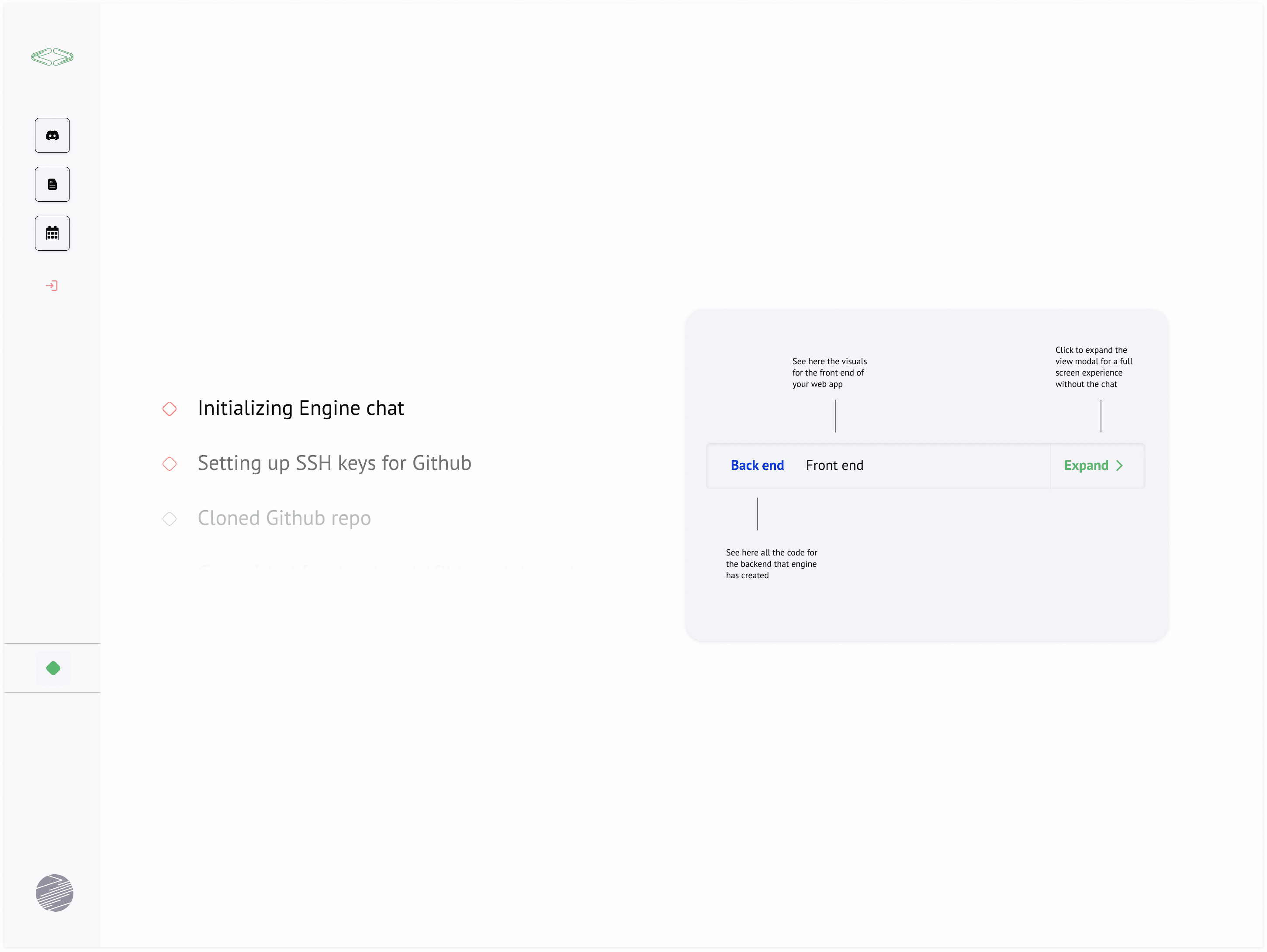
Longer-term, the project established the foundation for the Bento architecture; a design direction that balanced power and approachability and continues to guide the product’s evolution.


Standout Features
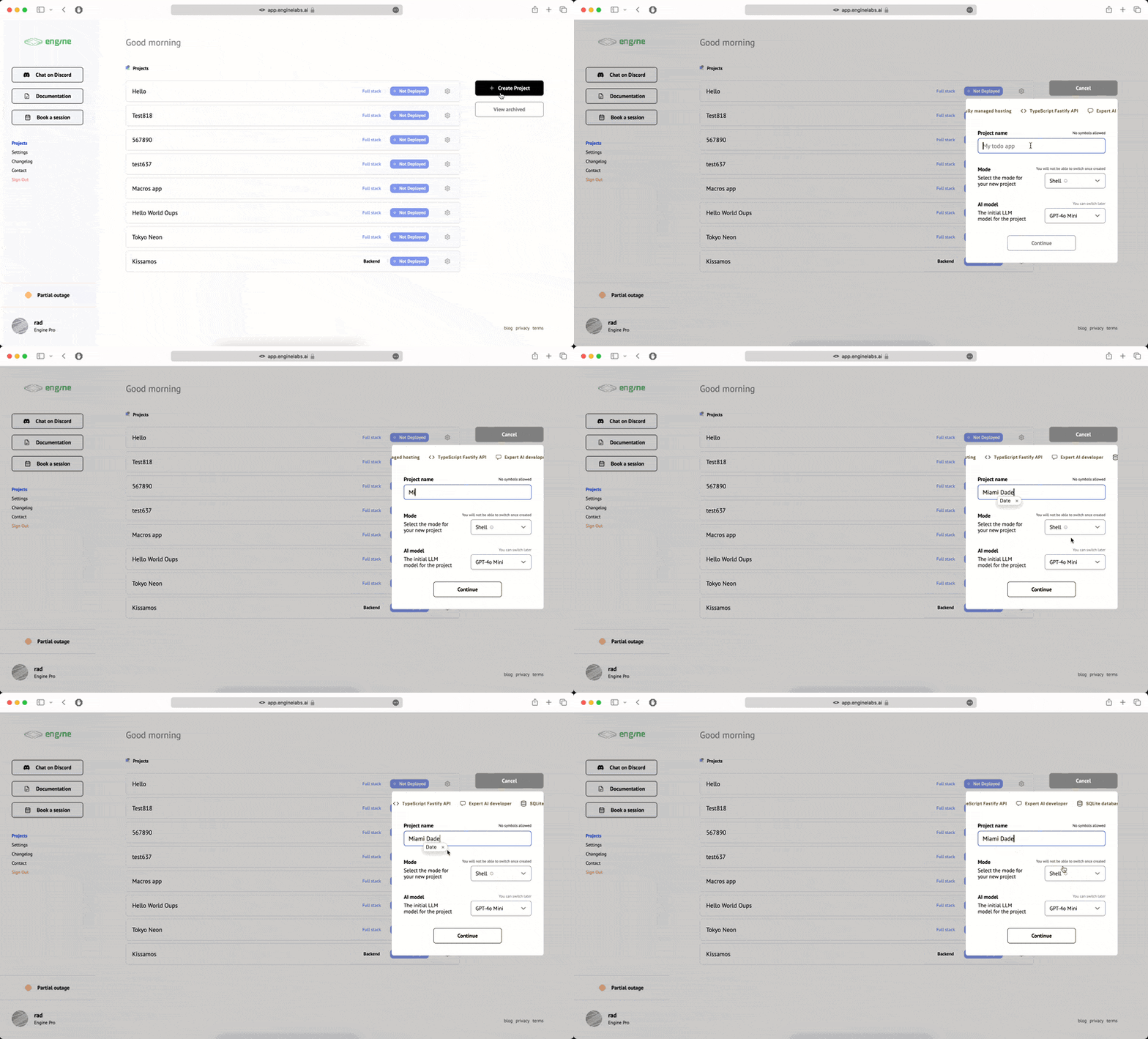
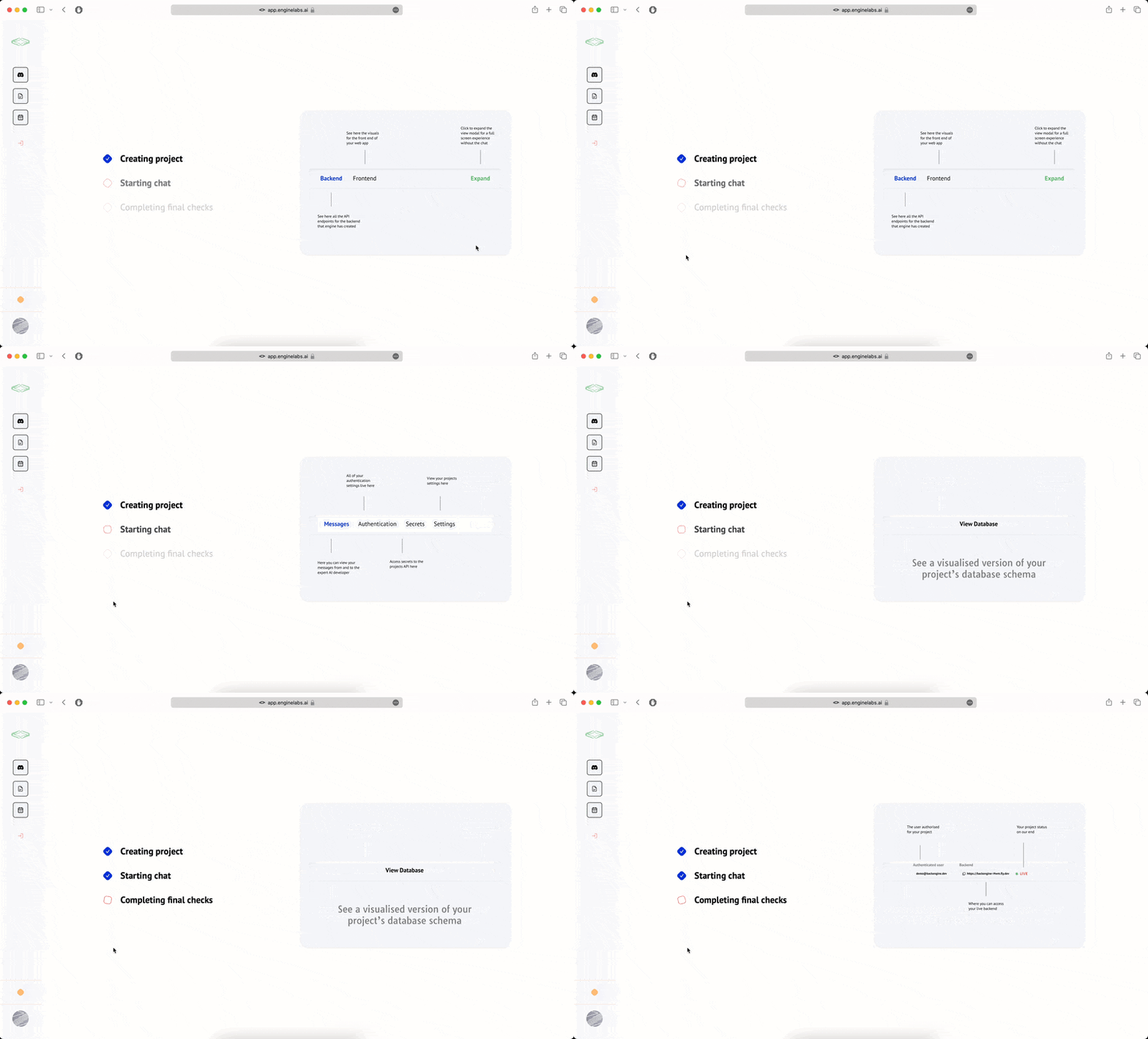
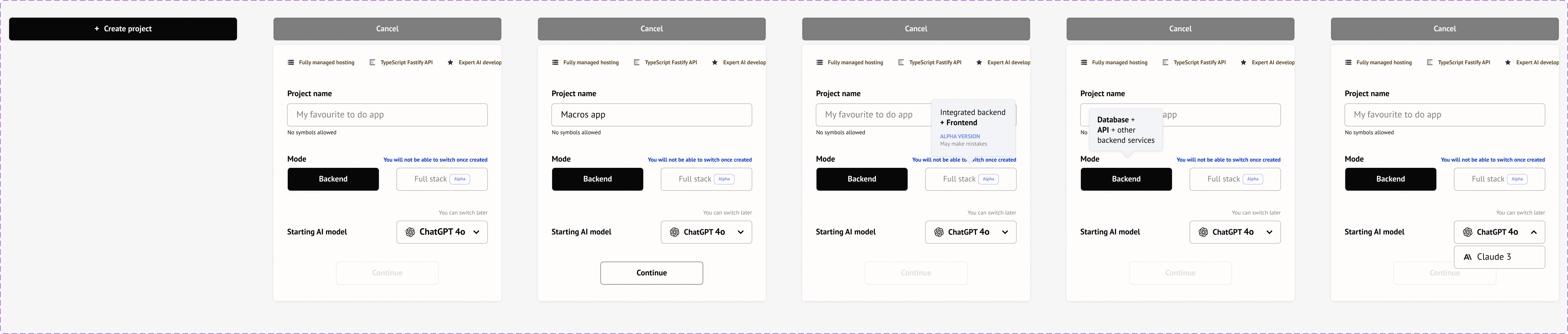
Wizard-based project creation for complex workflows
Shell mode for advanced users requiring direct LLM control
Bento-style layout for scalable, modular interaction
Mobile-first redesign for a previously desktop-only platform
Design system optimised for rapid iteration in an evolving AI product

Research + Personas
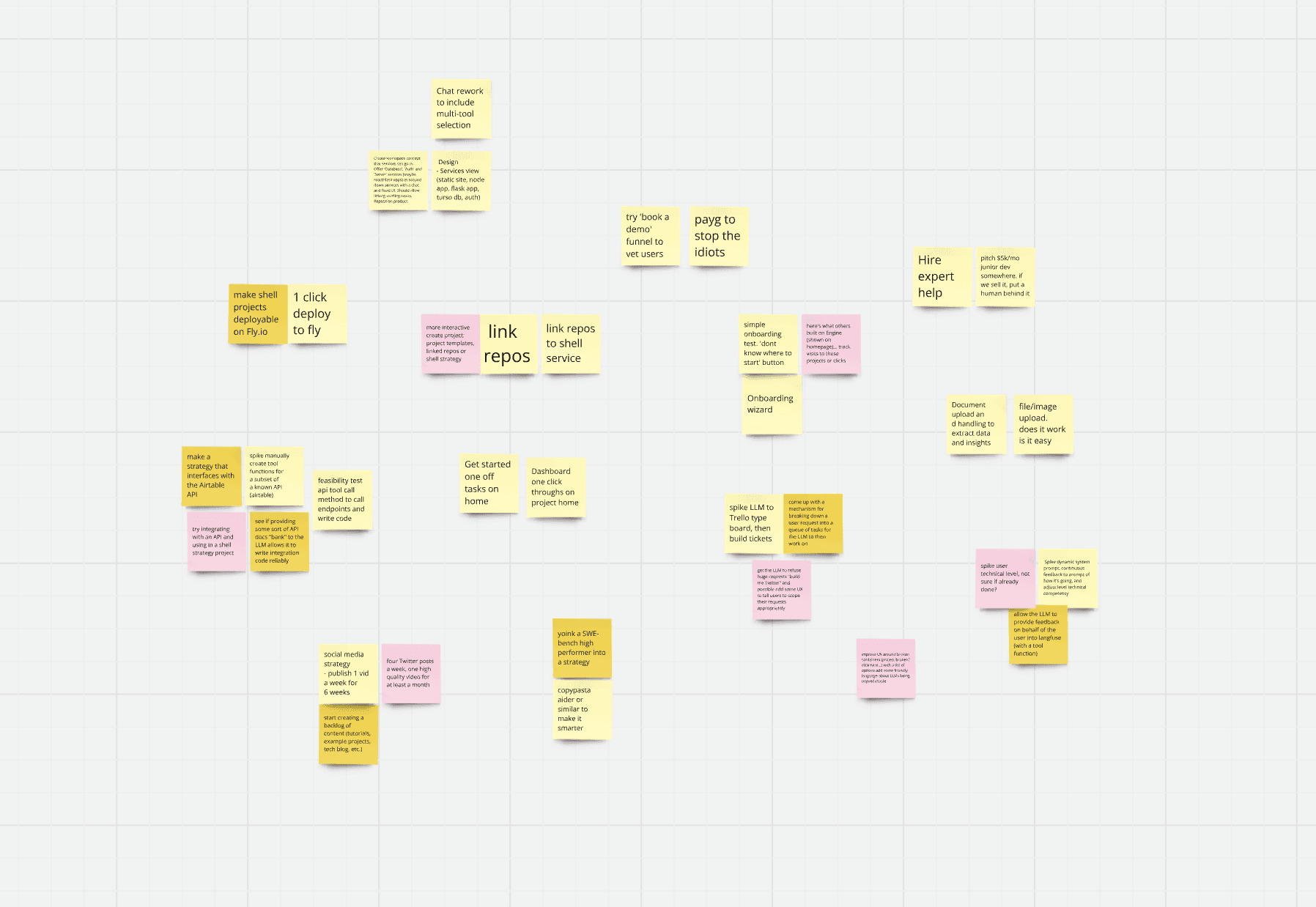
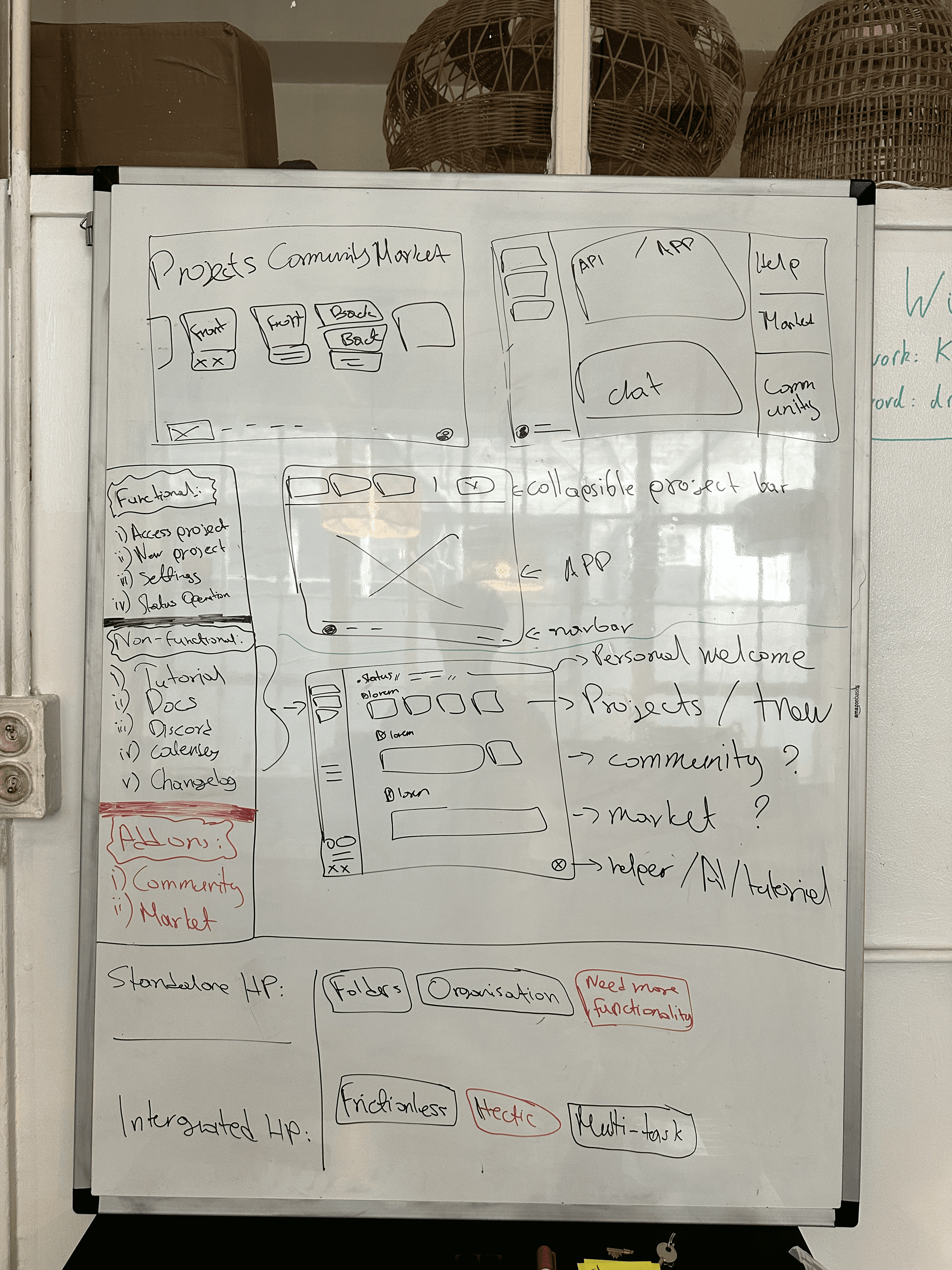
Research was conducted through internal workshops, affinity mapping, and continuous feedback loops with early users. The focus was on understanding mental models, tolerance for abstraction, and expectations around control when working with LLM-driven tools.
MarComs
Alongside the product, I contributed to brand and marketing assets to ensure consistency across the platform, website, and early acquisition touch points. This helped align product expectations with the underlying interaction philosophy.
